Ancient Script: A Unique Typeface for Creative Branding Projects
I remember the exact moment I opened a blank brand board and felt that familiar mix of excitement and anxiety. We were working on a visual identity for a small, independent bookstore that wanted to feel both timeless and playful. The client didn’t want a stiff, corporate look; they wanted something with character, a touch of whimsy, and a hint of history. That was when I stumbled upon Ancient Script, a cool and unique decorative font that immediately caught my eye.
As a graphic designer, I am always hunting for typefaces that can carry a heavy visual load without becoming unreadable or cliché. Ancient Script is not your standard serif or sans-serif. It sits comfortably in the realm of creative fonts and decorative typefaces, offering a distinct personality that feels hand-crafted yet polished. In this article, I will walk you through how I tested this font for a real branding project, from the initial mockup to the final design assets, and why it might be the perfect addition to your own Freebies collection or commercial toolkit.
First Impressions: Personality and Visual Appeal
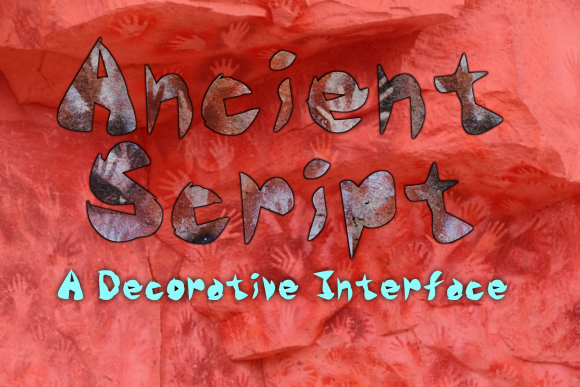
When you first download a new typeface, the most important thing is its mood. Ancient Script exudes a sense of adventure and nostalgia. Its strokes vary in thickness, mimicking the natural flow of ink on parchment, which gives it an organic, almost archaeological feel. However, unlike some overly ornate script fonts that can be difficult to read, Ancient Script maintains a clear structure. This balance makes it incredibly versatile for various applications.
The font’s visual characteristics make it ideal for projects that need to stand out instantly. Whether you are designing for cartoon-related designs, children’s games, quotes, titles, brand names, book covers, posters, or just any creation that needs a spark of creativity, this typeface delivers. It has a "cool" factor that appeals to modern audiences while retaining a classic aesthetic. For our bookstore project, we needed a logo that suggested stories and journeys, and Ancient Script provided exactly that vibe.
Testing the Font in Real-World Scenarios
To truly understand if a font works for a brand identity, you have to take it out of the vector software and see it in context. I started by placing Ancient Script on a simple black-and-white business card mockup. The contrast between the dark background and the light, textured letters was striking. The font’s unique shapes drew the eye immediately, making the brand name impossible to ignore.
Next, I moved to packaging design. Imagine a label sticker for a artisanal candle or a jar of handmade soap. Using Ancient Script for the product name added a layer of sophistication and intrigue. It looked like a secret recipe or a forgotten spell, which aligned perfectly with the boutique nature of the products. This demonstrates how a creative font can elevate simple packaging into a memorable brand experience.
We also tested the font on social media graphics. In a crowded Instagram feed, bold and distinctive typography stops the scroll. I created a series of quote cards using Ancient Script for the main text. The font’s decorative elements made each post feel like a piece of art rather than just a digital ad. This is crucial for engagement, as users are more likely to save or share content that looks visually appealing and professionally designed.
Readability and Hierarchy
One common concern with decorative fonts is readability. While Ancient Script is primarily a display font, meaning it shines brightest in headlines and short phrases, it requires careful handling in body text. I found that using it for long paragraphs could overwhelm the reader. Instead, I used it strategically for headings, subheadings, and key messages. This approach helps establish a strong visual hierarchy, guiding the viewer’s eye through the content without causing fatigue.
In editorial design, such as a magazine layout or a brochure, pairing Ancient Script with a clean sans-serif font worked wonders. The contrast between the ornate, historical feel of the script and the modern, minimalist lines of the sans-serif created a dynamic tension. This combination allowed us to maintain professionalism while injecting personality into the layout. It showed that even within a Freebies category, high-quality fonts can support complex design systems.
Font Pairing and Versatility
Choosing the right companion typeface is essential when building a brand identity. Since Ancient Script has a strong personality, it pairs best with neutral, understated fonts. A modern sans-serif font provides a stable foundation, allowing the script to take center stage without competing for attention. Alternatively, pairing it with a classic serif font can enhance the historical theme, creating a cohesive narrative across all materials.
I also explored using Ancient Script alongside handwritten fonts. While both styles offer a human touch, combining them can sometimes lead to visual clutter. However, if used sparingly—for example, using the script for the logo and a subtle handwritten font for signatures or notes—it can add depth and authenticity to the brand voice. This flexibility is one of the reasons why Ancient Script is such a valuable asset for designers working on diverse projects.
Practical Applications Beyond Logos
While logo design is a primary use case, the applications for Ancient Script extend far beyond. Here are a few areas where this font excels:
- Book Covers: The title of a fantasy novel or a historical fiction book benefits greatly from the adventurous feel of Ancient Script.
- Event Posters: For music festivals, art exhibitions, or theater productions, the font adds a dramatic flair that captures attention.
- Merchandise: T-shirts, tote bags, and mugs featuring Ancient Script designs often appeal to customers looking for unique, artistic apparel.
- Website Headers: Using the font for hero sections or navigation menus can create a memorable first impression for visitors.
Technical Considerations and Licensing
Before incorporating any font into a commercial project, it is vital to check the technical details. When evaluating Ancient Script, I looked at the included styles, alternates, ligatures, and weights. A robust font family offers multiple options, allowing for greater creativity and consistency across different mediums. Additionally, verifying multilingual support ensures that the font can be used globally if needed.
File formats are another practical aspect. Most modern fonts come in OTF and TTF formats, ensuring compatibility with major design software like Adobe Illustrator, Photoshop, and InDesign. Understanding the commercial font licensing terms is equally important. Even if a font is listed under Freebies, checking the license agreement prevents legal issues down the line. Some free fonts allow unrestricted commercial use, while others may require attribution or restrict certain types of usage. Always read the fine print to protect your brand and your clients.
Final Recommendations for Designers
If you are considering using Ancient Script for your next project, start by testing it in isolation. Create a few logo drafts and see how it holds up at different sizes. Then, integrate it into a full brand system, including business cards, letterheads, and digital templates. Pay attention to spacing and kerning, as decorative fonts often require manual adjustments to look their best.
Remember that typography is more than just choosing pretty letters; it is about communication. Ancient Script communicates a specific message—one of creativity, history, and uniqueness. By understanding its strengths and limitations, you can use it effectively to enhance your brand identity. Whether you are a freelancer, a creative studio, or a small business owner, adding a versatile and charming typeface like Ancient Script to your repertoire can significantly elevate your design work.
In conclusion, Ancient Script proved to be an invaluable tool in our recent branding project. Its ability to blend whimsy with professionalism made it the perfect choice for a client who wanted to stand out. As you explore your own design assets, keep an open mind to unique typefaces that challenge the norm. You might find that the right font can transform a simple concept into a powerful visual story.